Manufacturing closer to the point of need
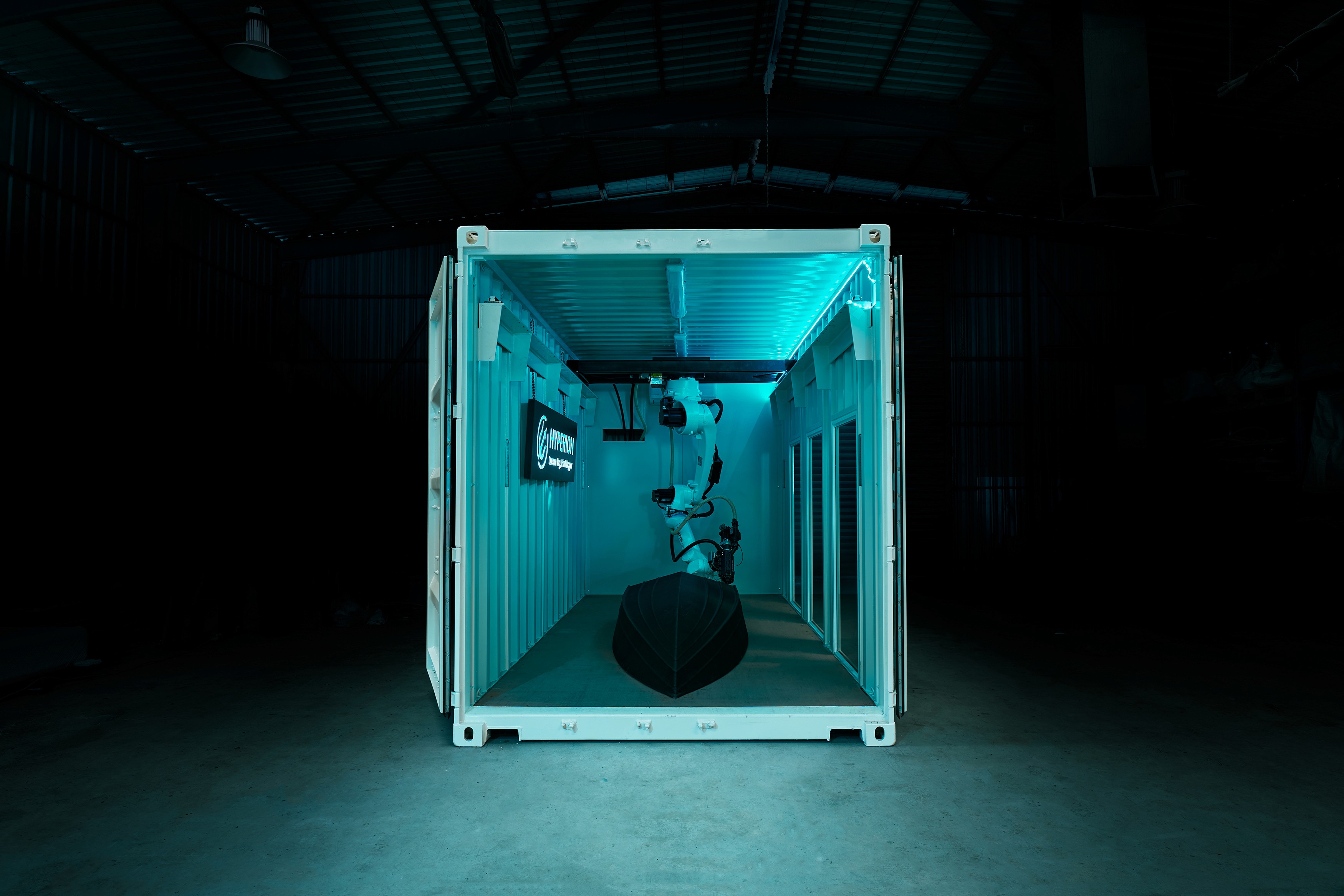
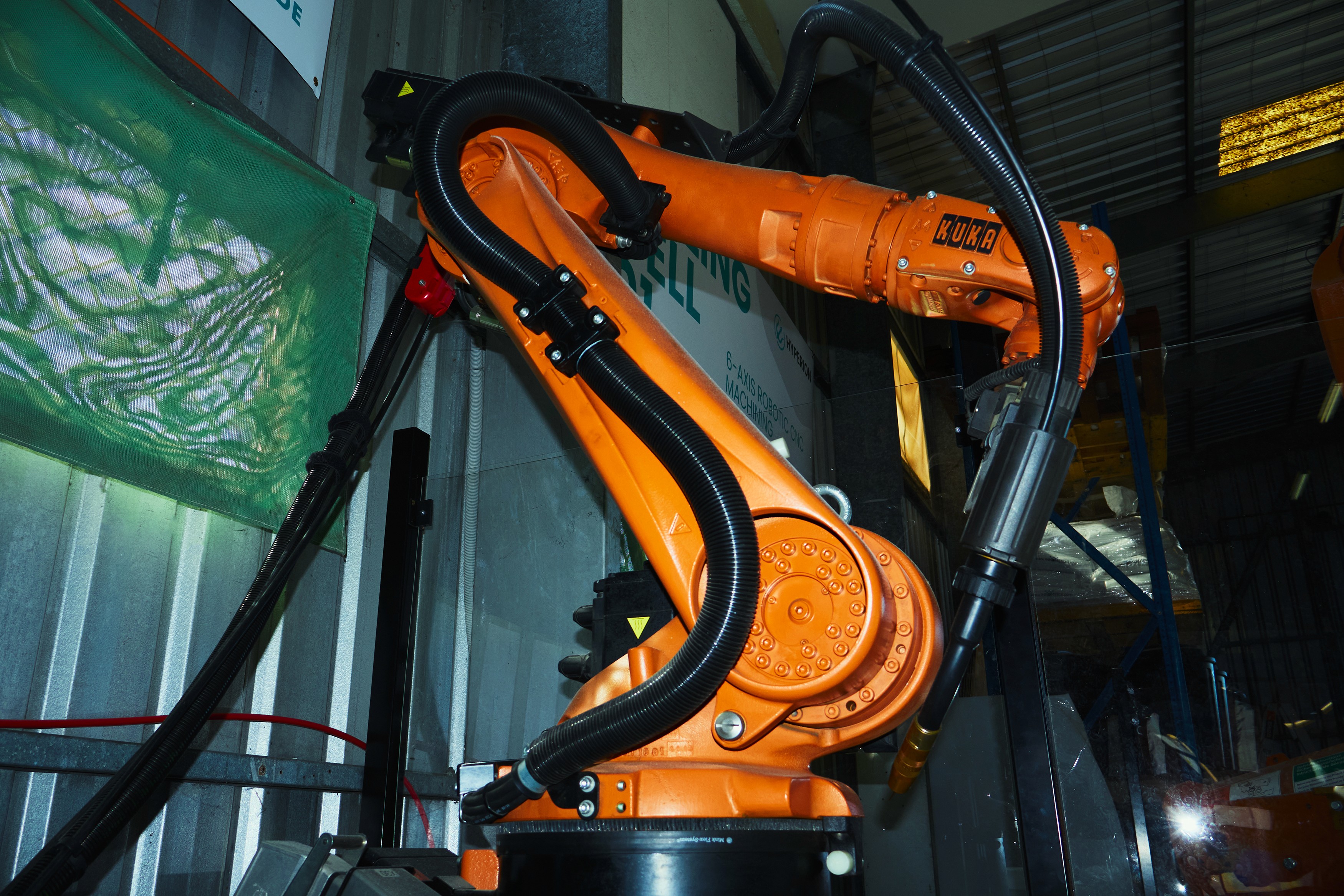
Hyperion designs and supplies large-format 3D printing and robotic manufacturing systems, helping organisations produce parts, tooling and infrastructure in-house or on-site.
OUR MODEL
We manufacture parts and supply production systems, with the materials and technical support to put them to work.


CONNECTED THROUGH THE HYPERION GRID
The Hyperion Grid
Deployed systems connect into a broader manufacturing network for shared data, AI-enabled process intelligence, remote monitoring and ongoing operational support.
REAL-WORLD PRODUCTION INTELLIGENCE LAYER
Process control
Real-world data helps refine production parameters and improve consistency.
Workflow optimisation
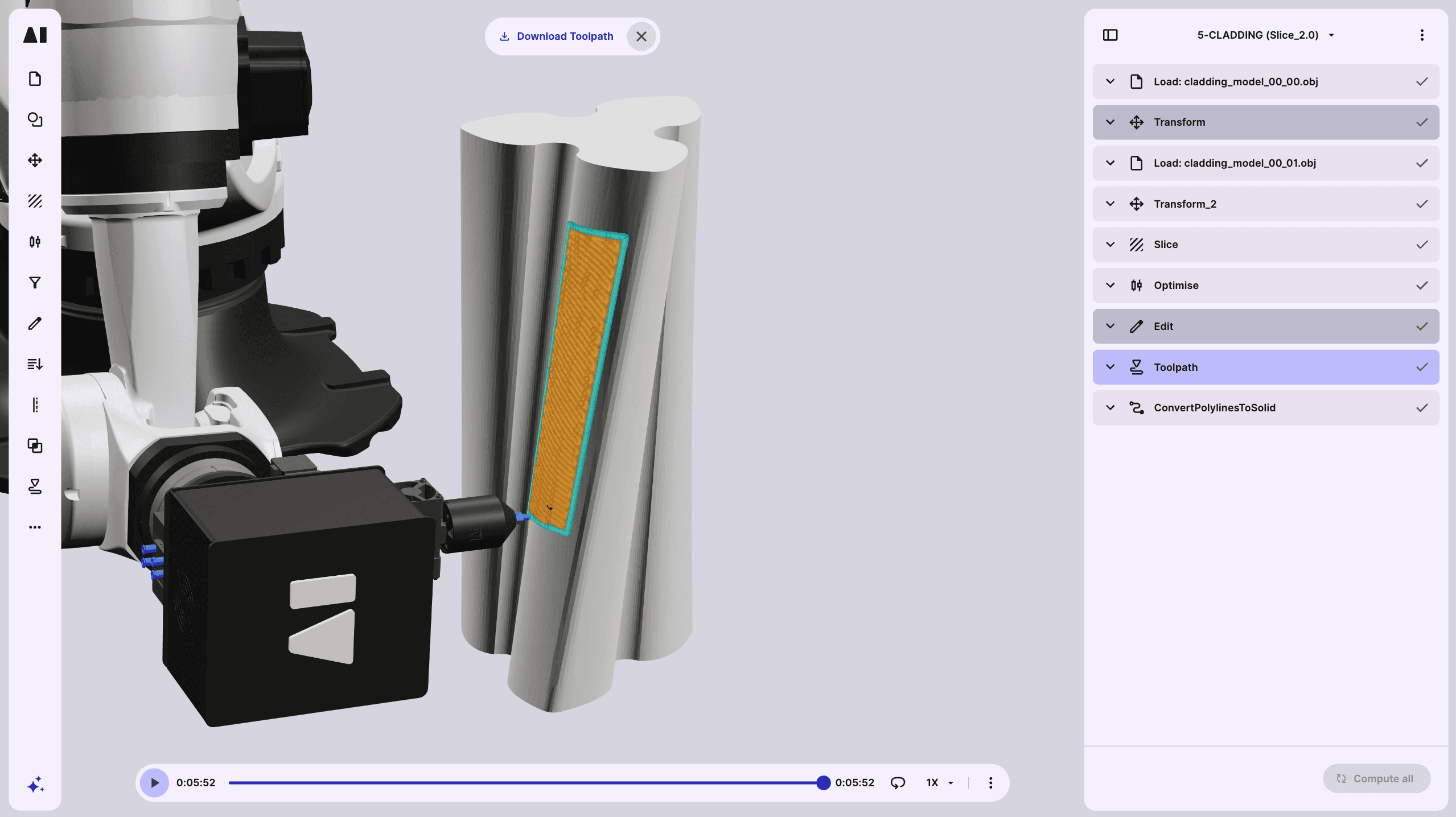
Completed jobs inform better toolpaths, programming, scheduling, and production flow.
Throughput gains
More operating data supports faster, more efficient production over time.
Network learning
Each deployment strengthens the broader Hyperion manufacturing model.
For dealers, channel partners, integrators, and organisations looking to work with Hyperion’s Grid-connected infrastructure.
Access production capability without purchasing the equipment outright
Hyperion provides deployable manufacturing capability through a managed operating model, with support across deployment, training, maintenance, materials, and technical operation.
Lower upfront CapEx
Predictable OpEx model
Capability without ownership






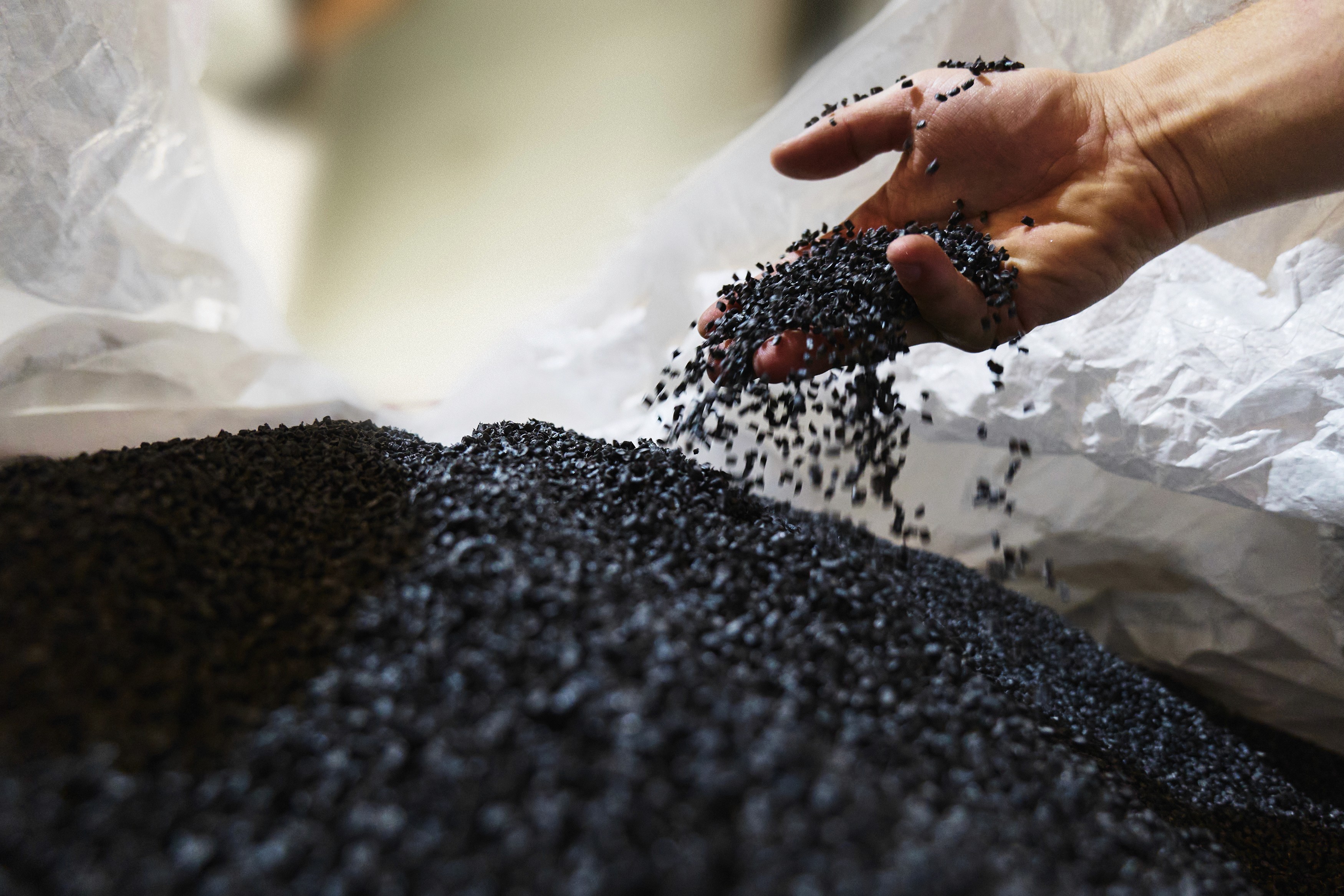
Materials matched to your application
Case studies, news, insights and learnings from Hyperion

Which spare parts are suitable for on-site 3D printing?
Industry Insights

What can containerised manufacturing offer remote operations?
Industry Insights

Hyperion Systems puts 3D-printed ASTRA 460 through initial sea trial
Media Coverage

Australian advanced manufacturing and AI-driven entrepreneurship platform to launch world-first circular economy initiative in Timor-Leste
Company News
What else should you know about Hyperion?
Common questions from teams evaluating deployable manufacturing for critical parts, infrastructure, and constrained sites.
Q1.
Where does Hyperion deploy its manufacturing systems?
Hyperion deploys containerised and modular manufacturing systems anywhere they're needed — remote mine sites, defence installations, marine bases, regional infrastructure projects, and offshore environments. Systems are designed to operate in constrained sites with limited supporting infrastructure.
Q2.
How long does it take to deploy a Hyperion manufacturing cell?
A TitanCell is designed for 24-hour operational deployment from arrival, assuming site access and required services are ready. Producing qualified parts may take longer, depending on material, part geometry, calibration, inspection requirements, and site-specific integration.
Q3.
What industries does Hyperion serve?
Hyperion supports defence, mining and critical resources, marine, construction, education, and other sectors that need locally produced critical parts and infrastructure. The deployable model suits any sector where traditional supply chains are too slow, too distant, or too rigid.
Q4.
Can Hyperion print metal parts?
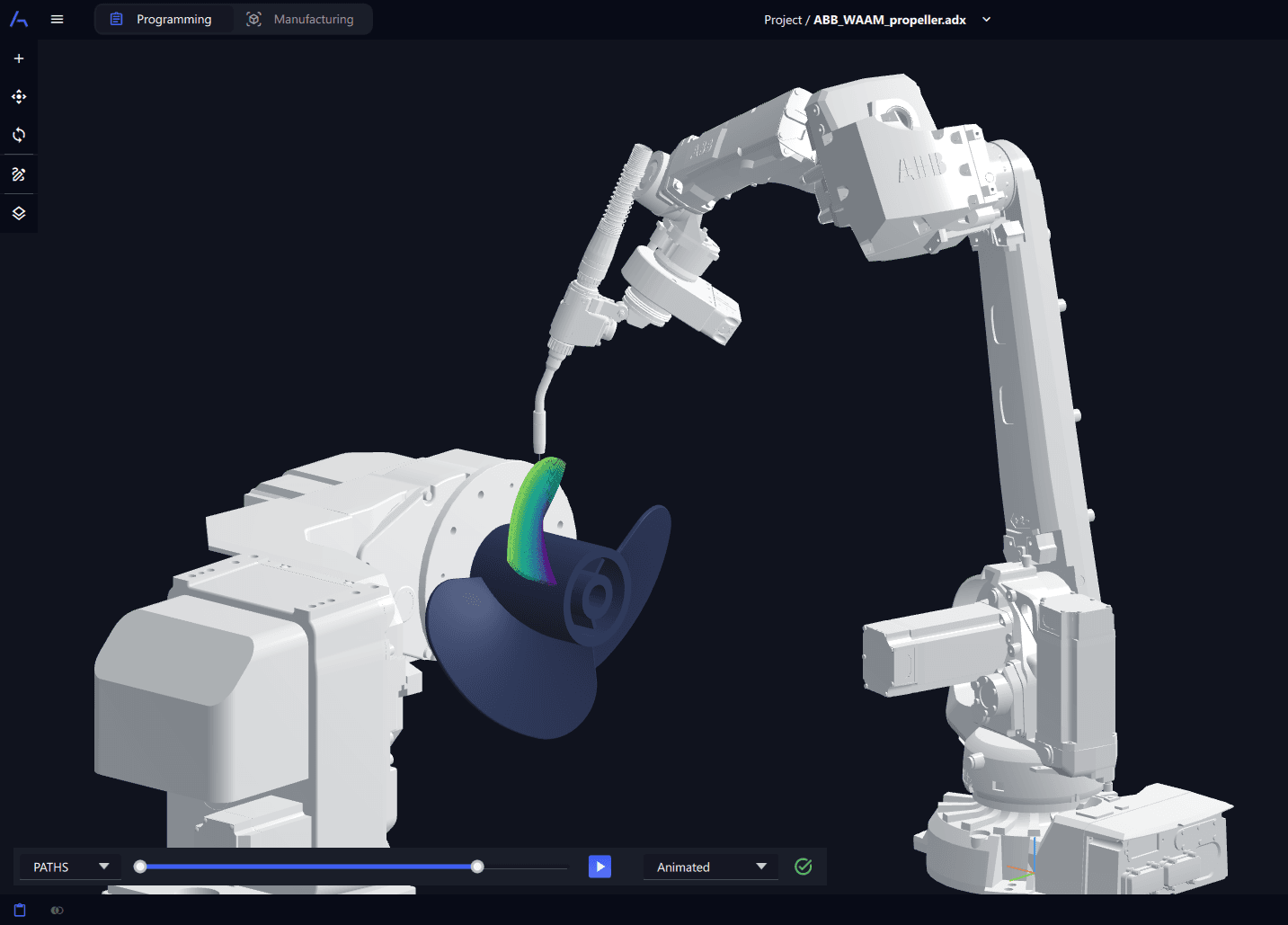
Yes. Hyperion's WAAM (wire arc additive manufacturing) systems produce large-scale metal components for structural parts, replacement components, and infrastructure elements that require high-strength materials.
Q5.
What is the largest part Hyperion can produce?
Build envelope depends on the system configuration — TitanCell and custom robotic cells can produce parts measured in metres rather than millimetres. Hyperion has previously produced boat hulls, formwork, and architectural elements at full operational scale.
Q6.
Does Hyperion provide support after deployment?
Yes. Every deployment includes training, ongoing maintenance, materials supply, and technical operations support. Deployed systems also connect to the Hyperion Grid for remote monitoring, AI-enabled process intelligence, and continuous performance improvement.
Q7.
Can Hyperion print with recycled or sustainable materials?
Yes. Hyperion works with recycled polymer feedstocks and supports circular manufacturing applications, including returning end-of-life parts and waste streams to production feedstock where the material chemistry allows.
Q8.
How does Hyperion's deployable model compare to traditional manufacturing?
Traditional manufacturing centralises production and ships parts long distances. Hyperion deploys production capability to the point of need, reducing lead times, transport costs, and dependency on distant suppliers — particularly valuable for remote operations, defence sovereignty, and infrastructure projects in constrained locations.